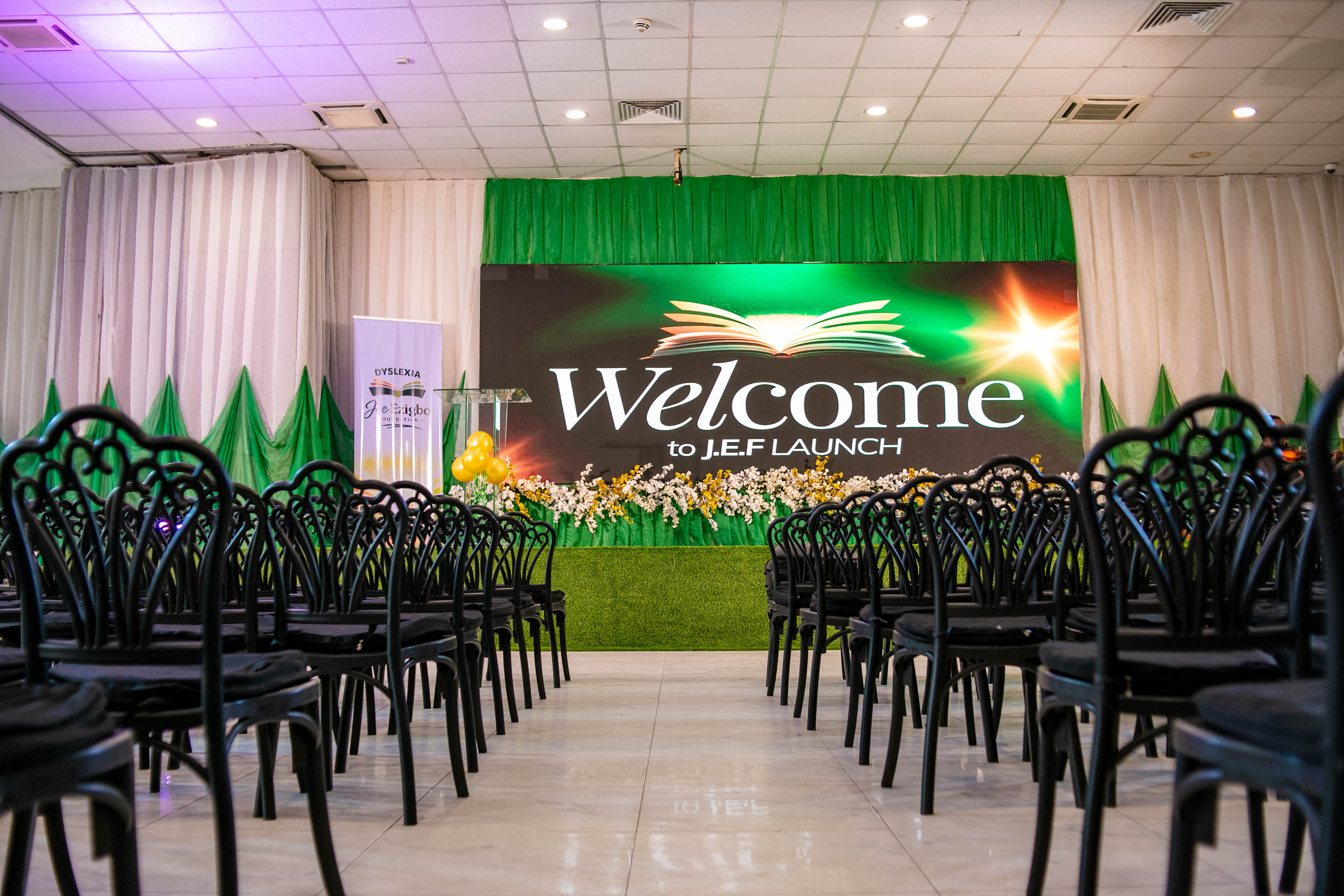
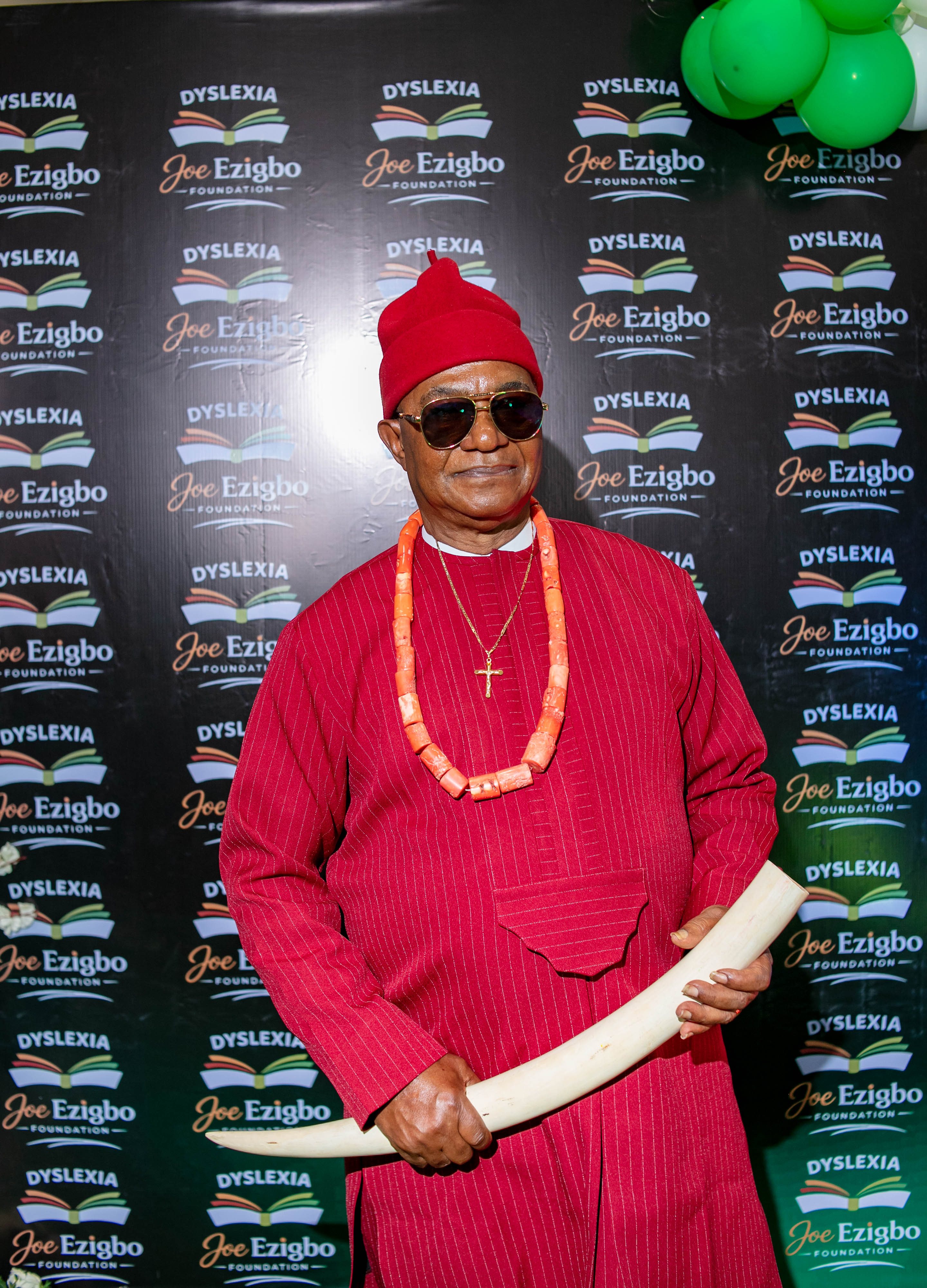
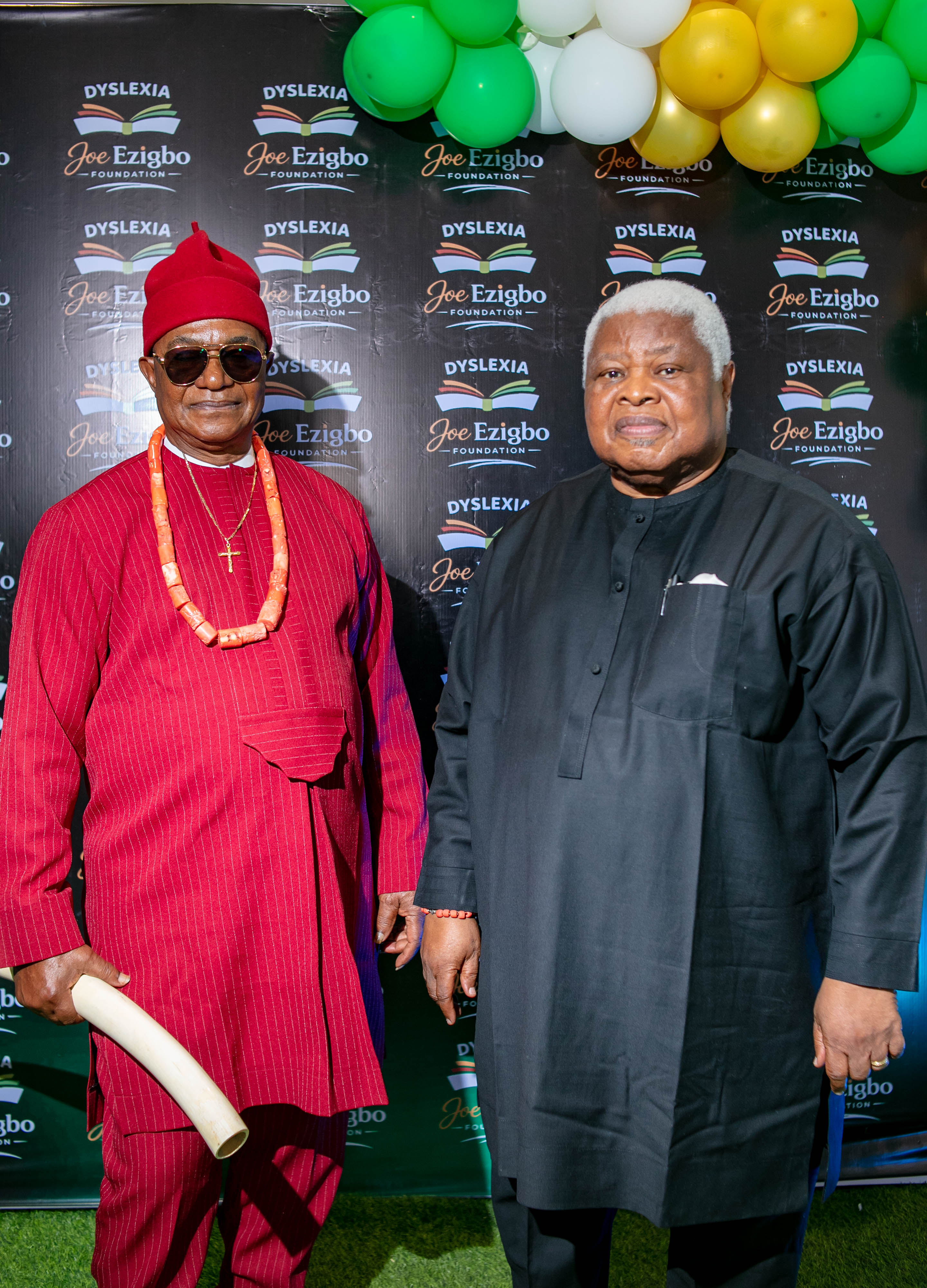
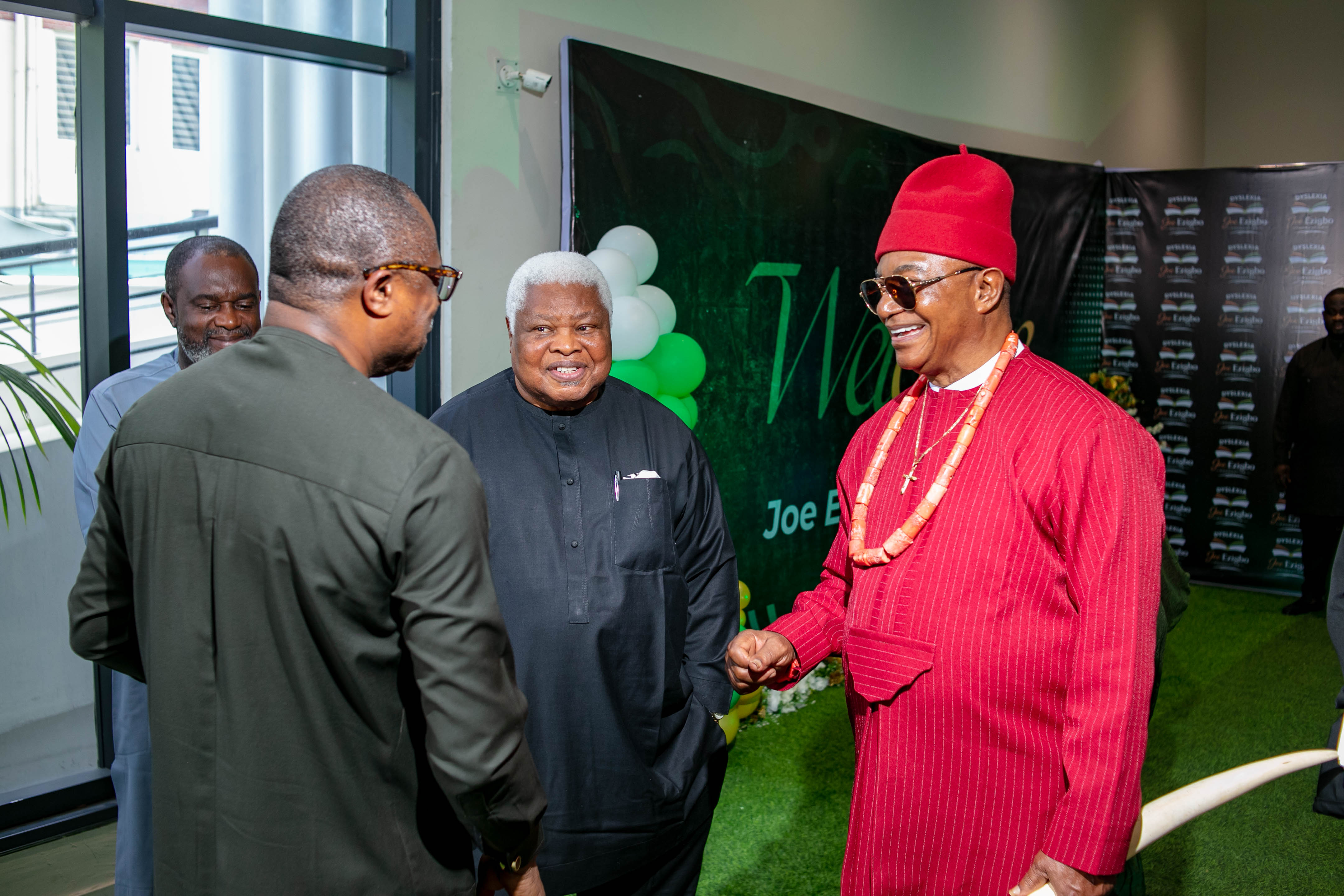
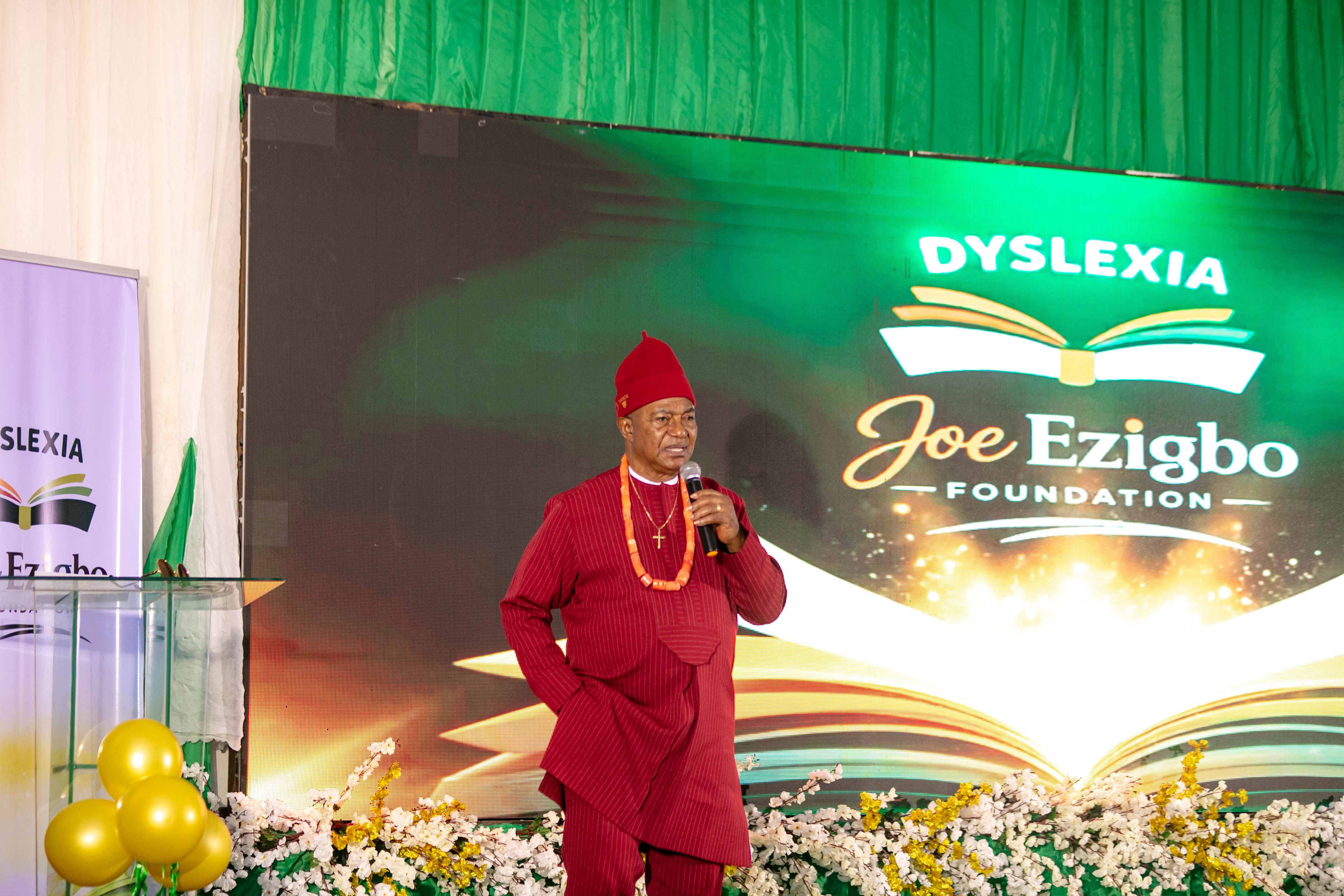
March 21, 2026 | Lagos, Nigeria
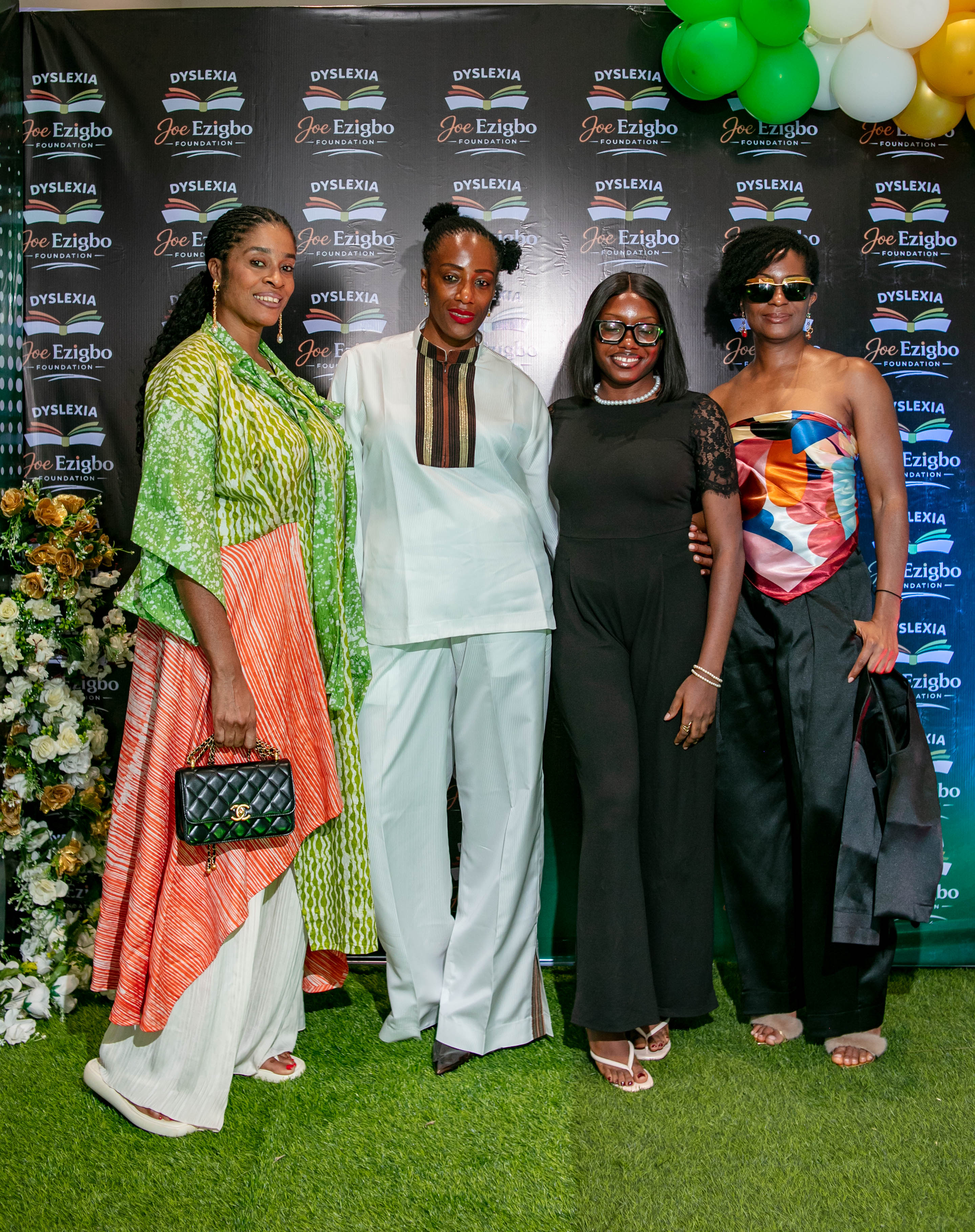
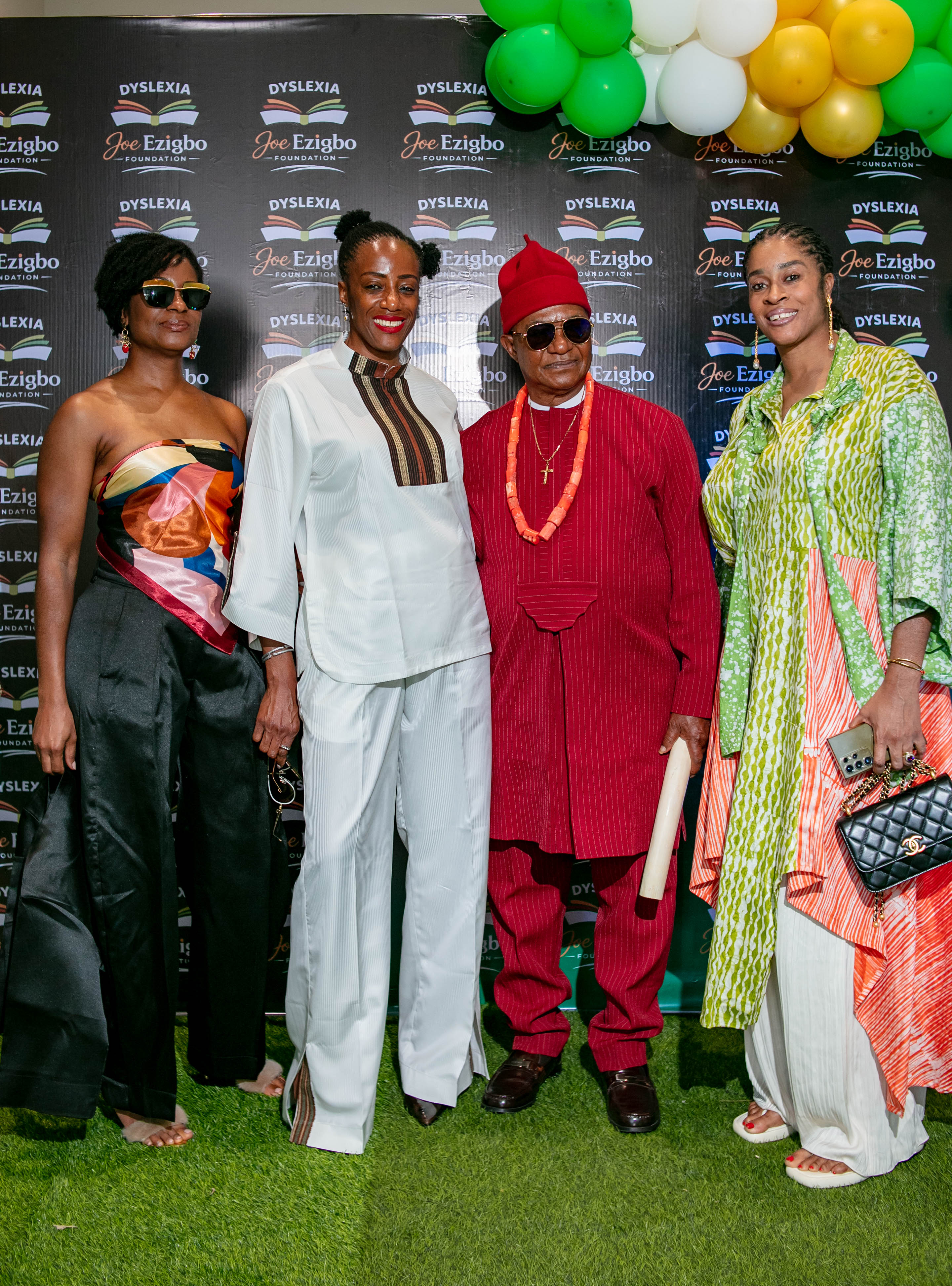
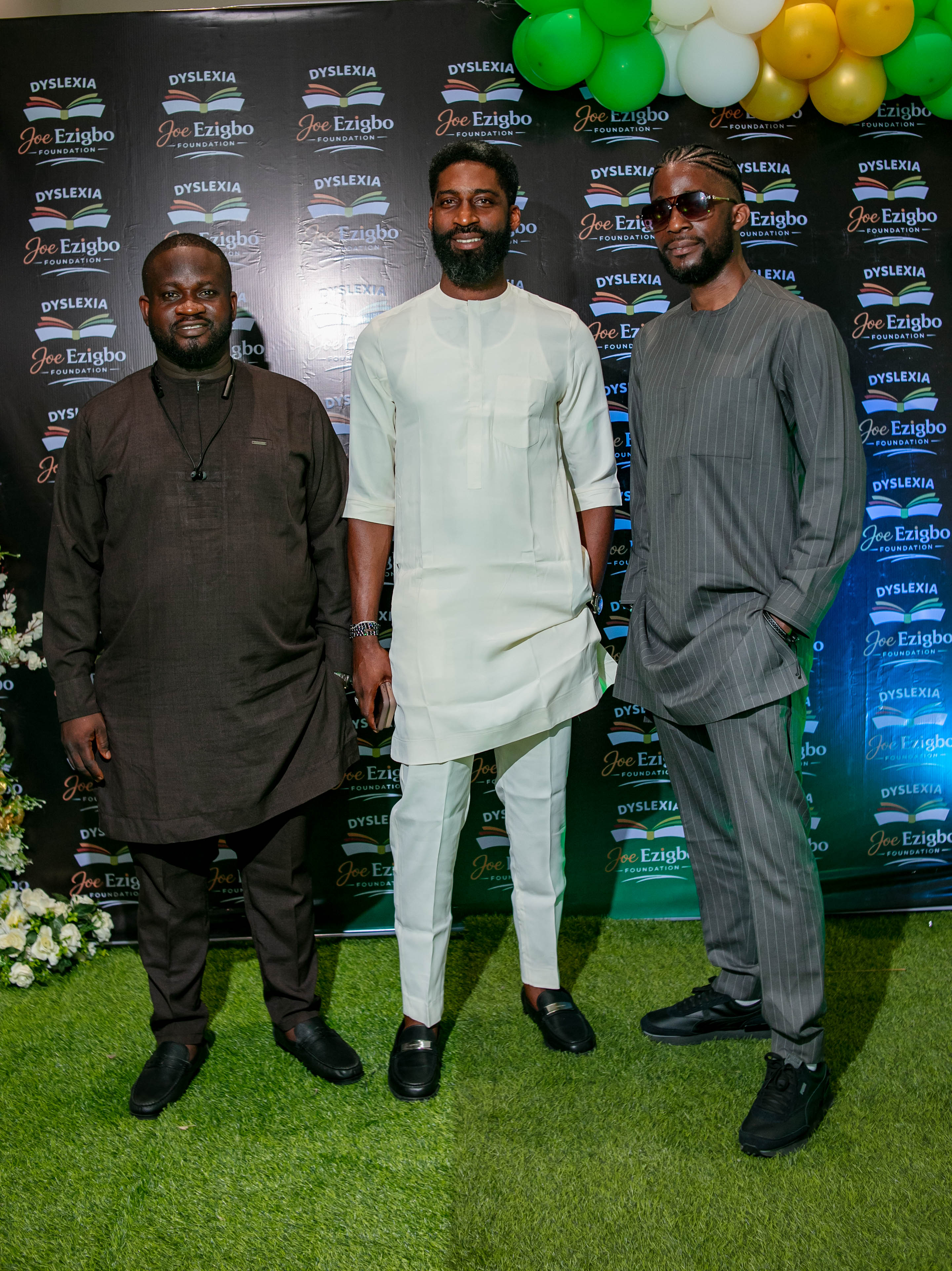
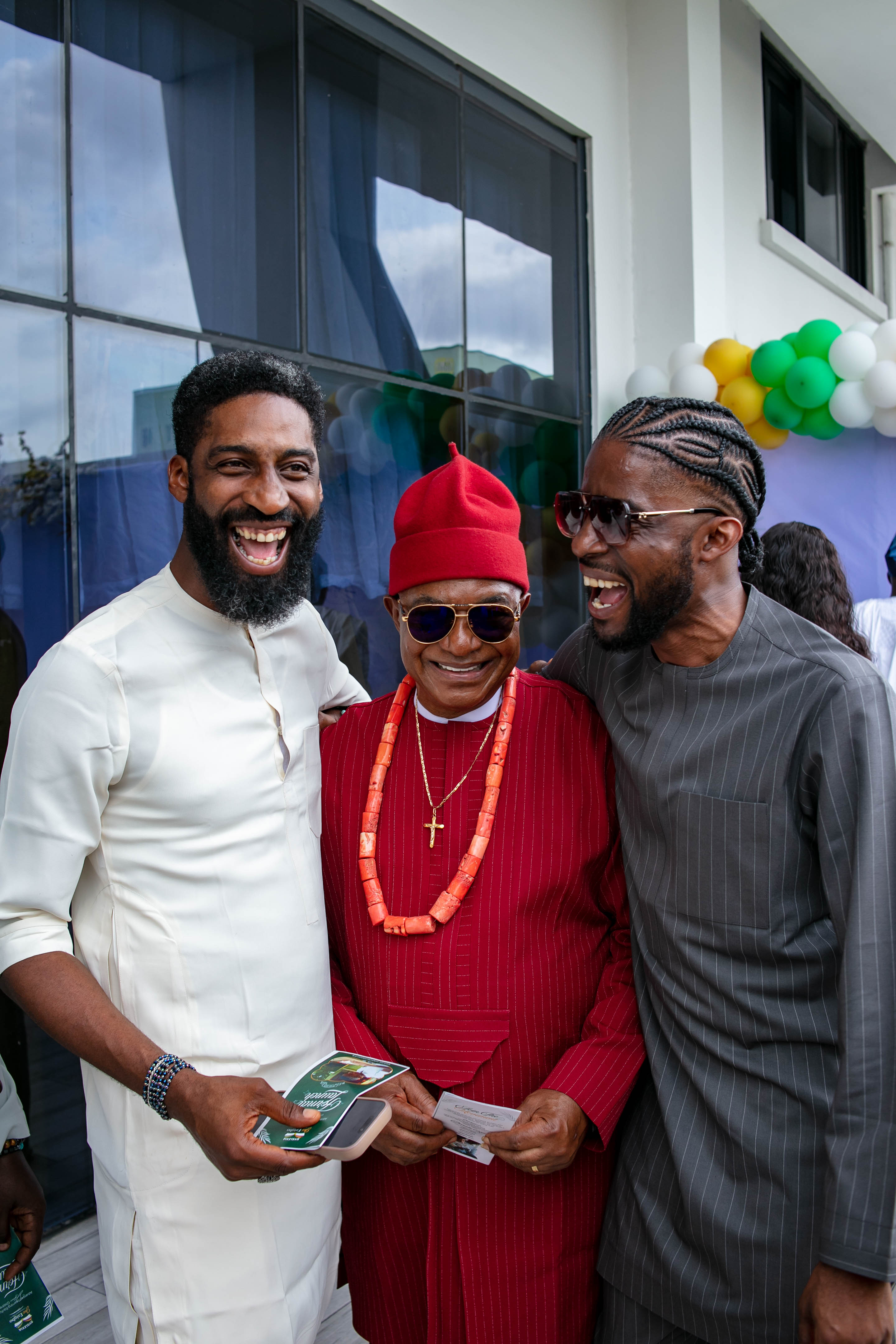
A historic moment marking the official launch of the Joe Ezigbo Foundation
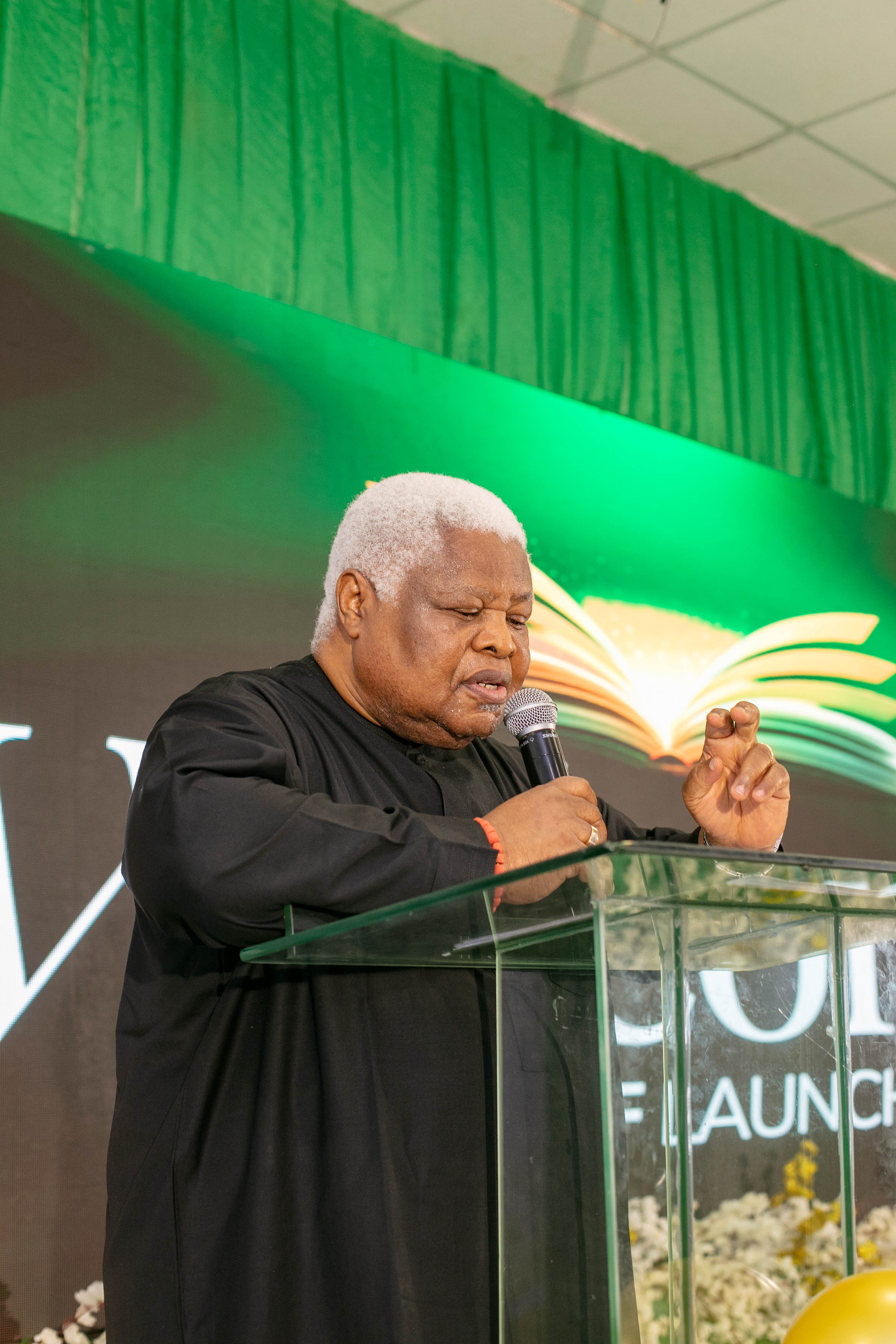
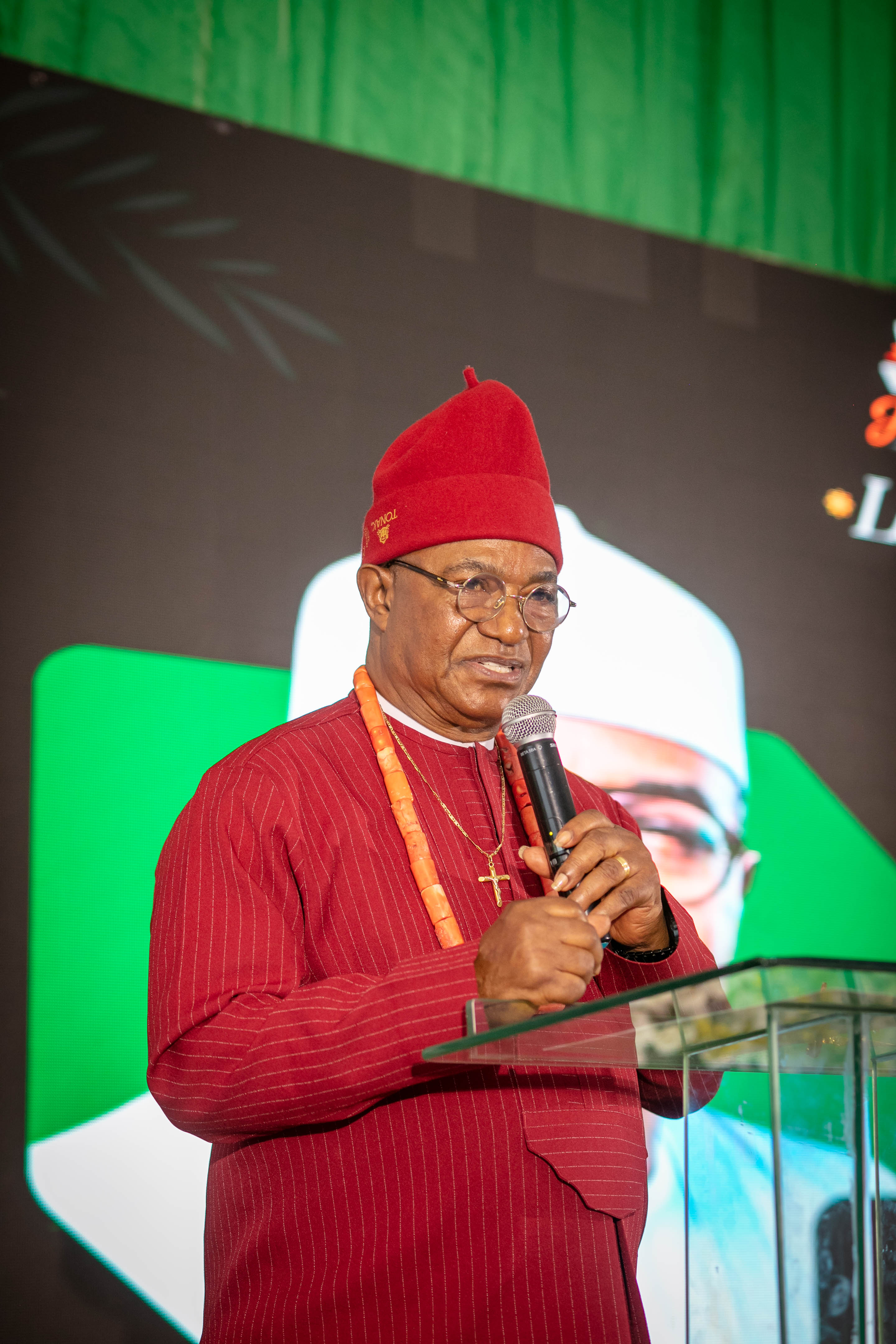
Professor Joseph Ezigbo
''Today is not merely the unveiling of an institution. It is the beginning of a national reckoning''
For decades, Nigeria has made commendable strides in expanding access to education. Yet, beneath these gains lies a silent failure: millions of children are left behind, not because they lack intelligence or potential, but because the system does not understand how they learn.
This Foundation was born out of that uncomfortable truth.
Permit me, distinguished guests, to share briefly the personal moment that transformed this truth from an abstract concern into a moral responsibility. Years ago, my daughter Chinelo struggled quietly through school — bright, creative, deeply intelligent, yet misunderstood. At the time, I did not have the language, the knowledge, or the awareness to recognize what she was battling. It was only much later, through her courageous writing on growing up with undiagnosed dyslexia in Nigeria, that I came to fully grasp the cost of ignorance — not only to a child's academic performance, but to their dignity, confidence, and sense of self-worth.
That realization compelled a question that has stayed with me ever since: How many children across Nigeria are enduring similar struggles in silence?
Dyslexia remains widely misunderstood in Nigeria. In many communities, learning difficulties are wrongly attributed to spiritual affliction, family curses, laziness, or lack of intelligence. Children struggling with reading and writing are labelled with hurtful names — ''dull,'' ''slow,'' ''olodo,'' ''isi-odo,'' and worse. These labels do not merely wound; they shape self-perception, limit aspiration, and truncate potential.
Yet dyslexia is not a disease. It is not a measure of intelligence. It is not a failure of parenting. It is a neurodevelopmental learning difference that affects how the brain processes language — particularly reading, writing, and spelling — and it occurs across all socio-economic, cultural, and intellectual backgrounds.
Globally, dyslexia is recognized, screened for, and supported through structured educational interventions. In Nigeria, however, it remains largely invisible — misunderstood by many parents, unrecognized by most schools, and absent from policy frameworks.
Available studies suggest that as many as one in five children may exhibit dyslexic traits. In a nation of over 200 million people, this translates into about 40 million persons whose learning needs are unmet. The consequence is heartbreaking but familiar: children pushed out of classrooms, talents suppressed before they are discovered, confidence eroded at the most formative stages of life.
We lose potential not because it does not exist, but because we fail to identify and nurture it.
No child should be denied a future because the system failed to understand how they learn.
This Foundation exists to bridge three critical gaps:
We are not here to duplicate what others are doing. We are here to catalyze change — sustainably, collaboratively, and at scale.
In the coming months, the Joe Ezigbo Foundation will begin a modest but purposeful pilot in partnership with the Lagos State Government — screening children in selected public schools for early indicators of dyslexia and equipping teachers with the skills to recognise and support them. This is not just about diagnosis; it is about restoring confidence to children who are often misunderstood and giving teachers the tools to unlock potential. Our aim is to build a model that can be scaled across Lagos State and, in time, across Nigeria.
A Nigeria where dyslexic children are identified early, taught appropriately, and empowered to reach their full potential.
This is not charity in the traditional sense. It is strategic social investment — investment in human capital, social inclusion, and national productivity.
History will judge societies not by how they treated the strongest among them, but by how they protected the most vulnerable. Dyslexic children are not asking for privilege. They are asking for understanding. They are asking for opportunity. They are asking to be seen.
By being here today, you have taken the first step in seeing them.
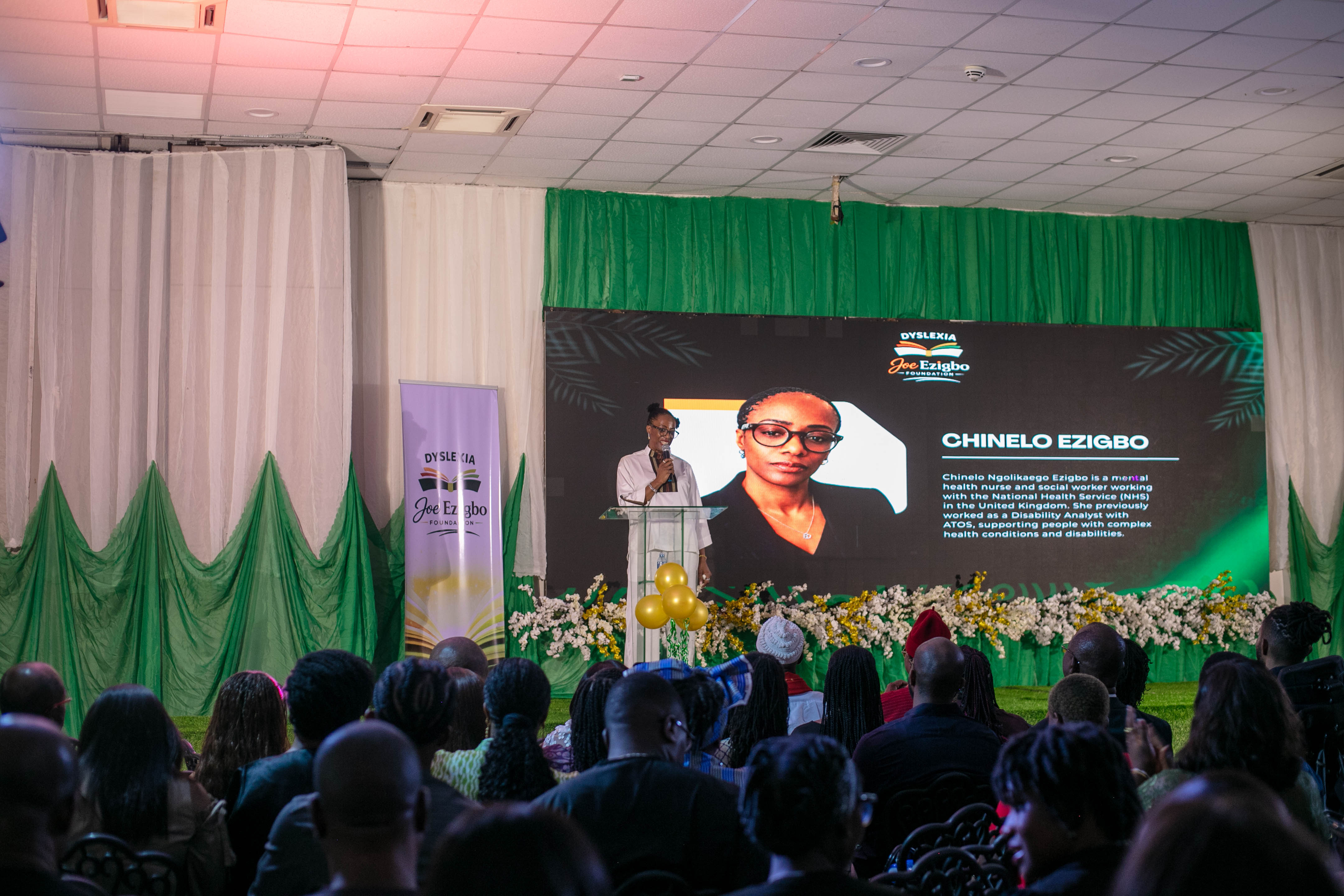
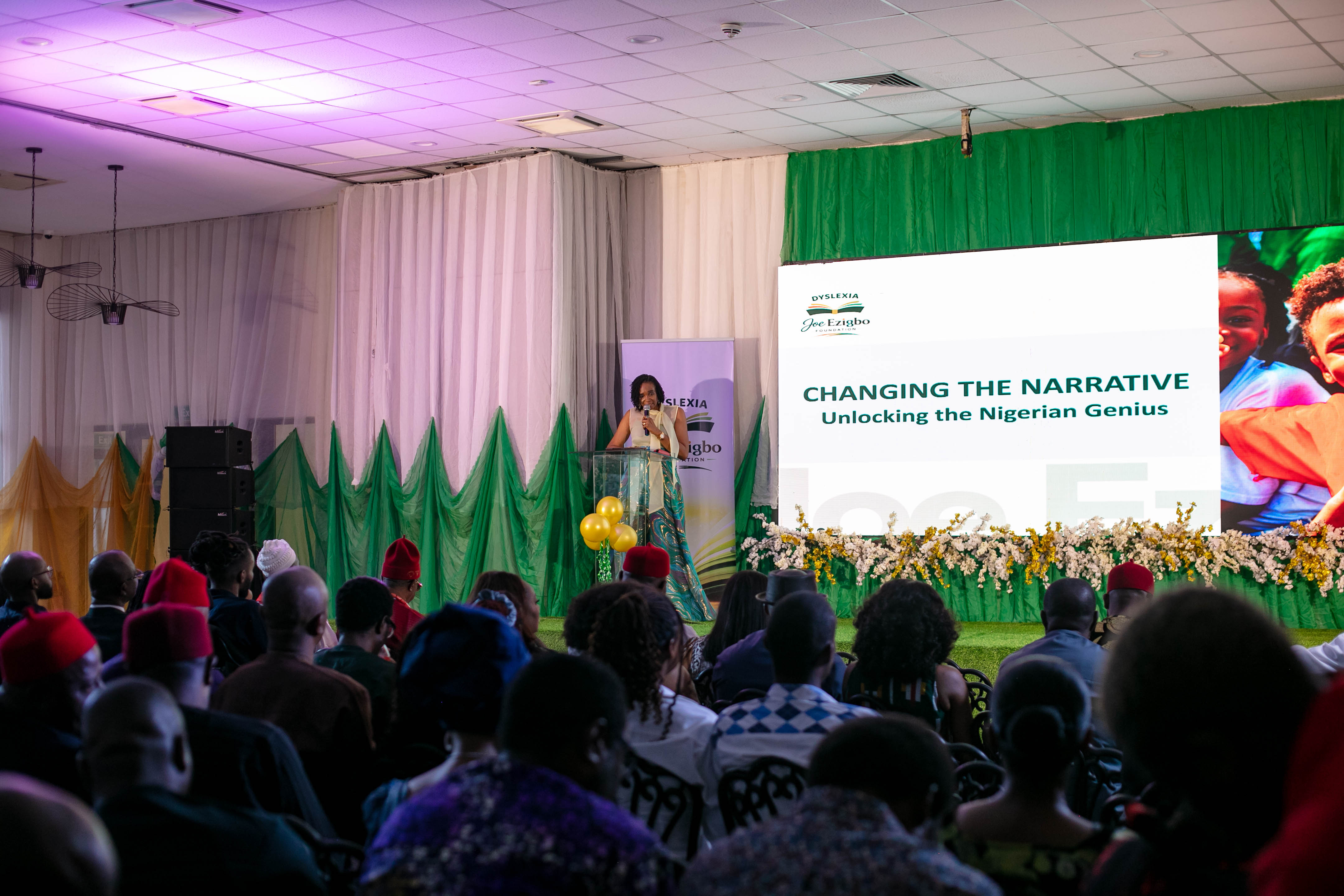
Ms. Chinelo Ezigbo
Different is not less.
Let me begin with a picture. Imagine a little girl sitting quietly in a classroom in Nigeria. She is trying her best to follow the lesson. But the words on the page seem to move. Letters do not stay still. Reading feels harder for her than it should. When she is asked to read aloud, her heart begins to race.
The other children answer questions quickly, so she stays quiet. She never raises her hand. Slowly, she begins to believe something about herself, that she is not smart enough, that she is not trying hard enough, that she is somehow less.
That is what dyslexia can feel like.
That little girl was me.
But for many years of my life, I believed that different was less.
When I was growing up in Nigeria in the late 1980s and early 1990s, I was called lazy. I was called a daydreamer. I was called iti, a word that roughly means ''dunce.''
What none of us knew then, not my teachers, not my parents, not even me, was that I was living with dyslexia. At that time, dyslexia was not part of our vocabulary. Teachers were not trained to recognise it. Parents had no framework to understand it. There was little awareness and almost no support. So like many children of my generation, I struggled silently.
I remember watching other children read with ease. For me, the letters seemed to move. Spelling felt uncertain. Reading aloud filled me with anxiety. I also struggled with things that other children seemed to do easily, copying from the board, spelling, and following written text, even when I understood the lesson when it was explained aloud.
For parents listening today, if your child is trying hard but continues to struggle, it may not be laziness. Your child may simply learn differently and need support.
I never raised my hand. I stayed quiet. I learned to make myself smaller. And because no one understood what was happening, the conclusion was simple: I was not trying hard enough.
But I want to say something clearly today, not only for myself, but for every child who has ever been misunderstood:
I was not lazy.
I was not unintelligent.
I was unsupported.
And that difference changes everything.
To my parents, I want to say this with love and gratitude. You did the best you could with the knowledge you had. There was no awareness, no specialists, and no system to guide families. As my dad mentioned earlier, you even took me for brain scans, searching for answers and trying to understand why learning seemed so difficult for me.
In your own ways, you both supported me as best as you could, even without fully understanding what I was going through. As a child, I did not fully understand those moments. But as an adult, I do. I understand the worry, the confusion, and the helplessness of loving your child deeply and not knowing how to help.
And the truth is, many Nigerian parents are still living that same story today.
Research suggests that up to one in five people may have dyslexia. Yet in Nigeria, many children are still missed. Children begin to doubt themselves. Children become quiet in classrooms. Children who think differently are sometimes misunderstood. And slowly, a child's struggle with learning can become a struggle with confidence, identity, and self-worth.
Everything changed for me when I moved to the United Kingdom and was diagnosed in my early 30s. I remember the relief, relief that I was not broken, that I was not the problem, and that there was a name for what I had struggled with for so long.
And then I received support. Extra time in exams, assistive technology, and speech-to-text software, simple adjustments that removed barriers. Those adjustments did not lower standards. They revealed potential.
With that support, I completed a double degree in Mental Health Nursing and Social Work. For nearly two decades since that diagnosis, I have had the privilege of working in the United Kingdom in mental health nursing and social work, supporting individuals and families through some of the most challenging moments of their lives. That journey has strengthened my belief that when people are understood and supported properly, their potential can truly flourish.
That is why I am speaking today.
I bring my lived experience, my professional training, and my commitment to Nigeria's children. I am committed to working with schools, speaking to parents, engaging professionals, and helping build greater awareness of dyslexia across our communities.
Because no child should grow up believing they are less simply because they learn differently. And today, I invite you to join us.
I want to pay a strong and heartfelt tribute to the Founder of the Joe Ezigbo Foundation, my father, Professor Joseph Chukwurah Ezigbo. His vision created the platform that allows conversations like this to happen today, and I am deeply grateful for the opportunity to contribute my voice to that vision.
Different is not less.
That is the message I wish someone had told the little girl I once was. If you remember nothing else today, remember that.
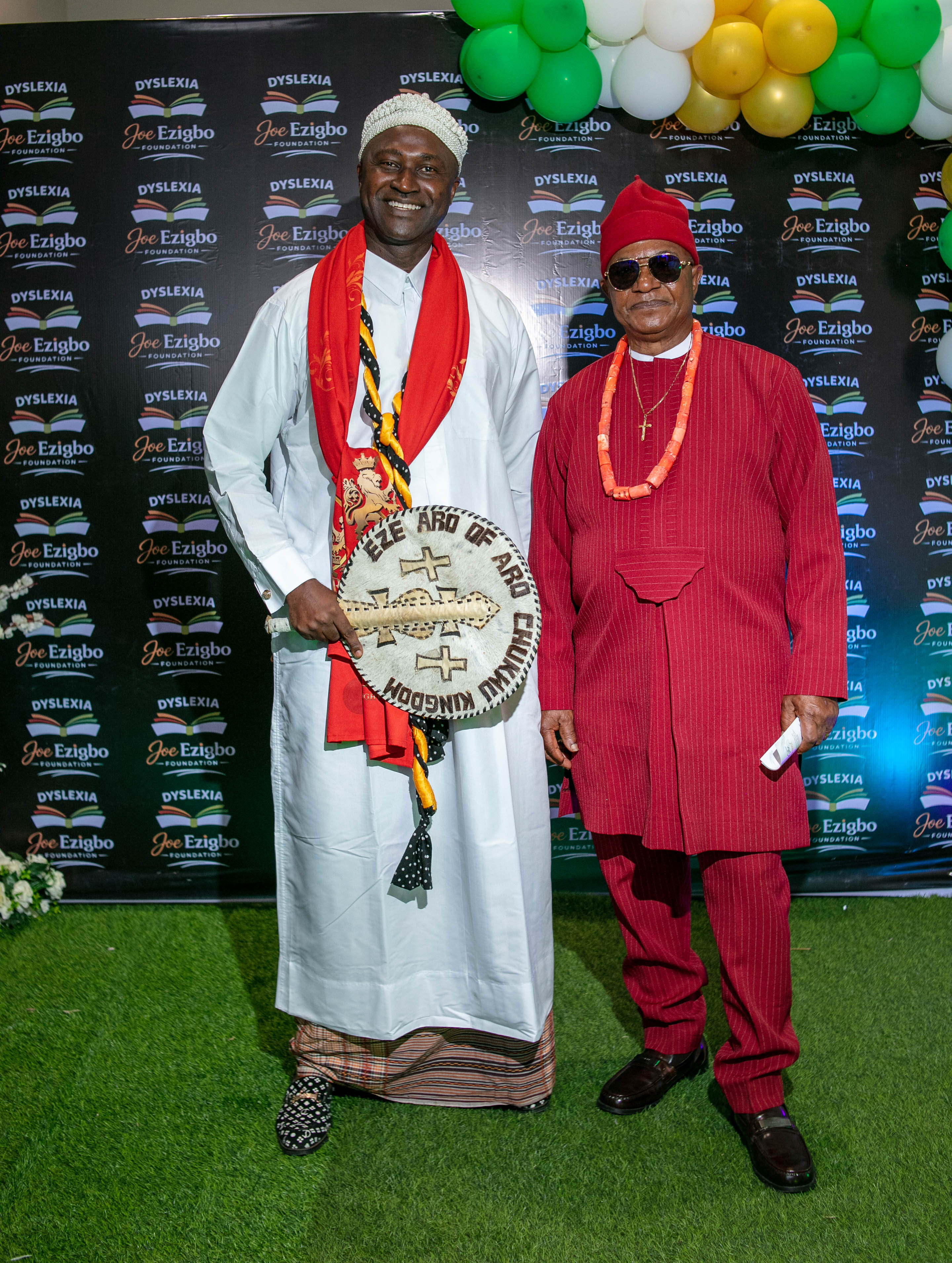
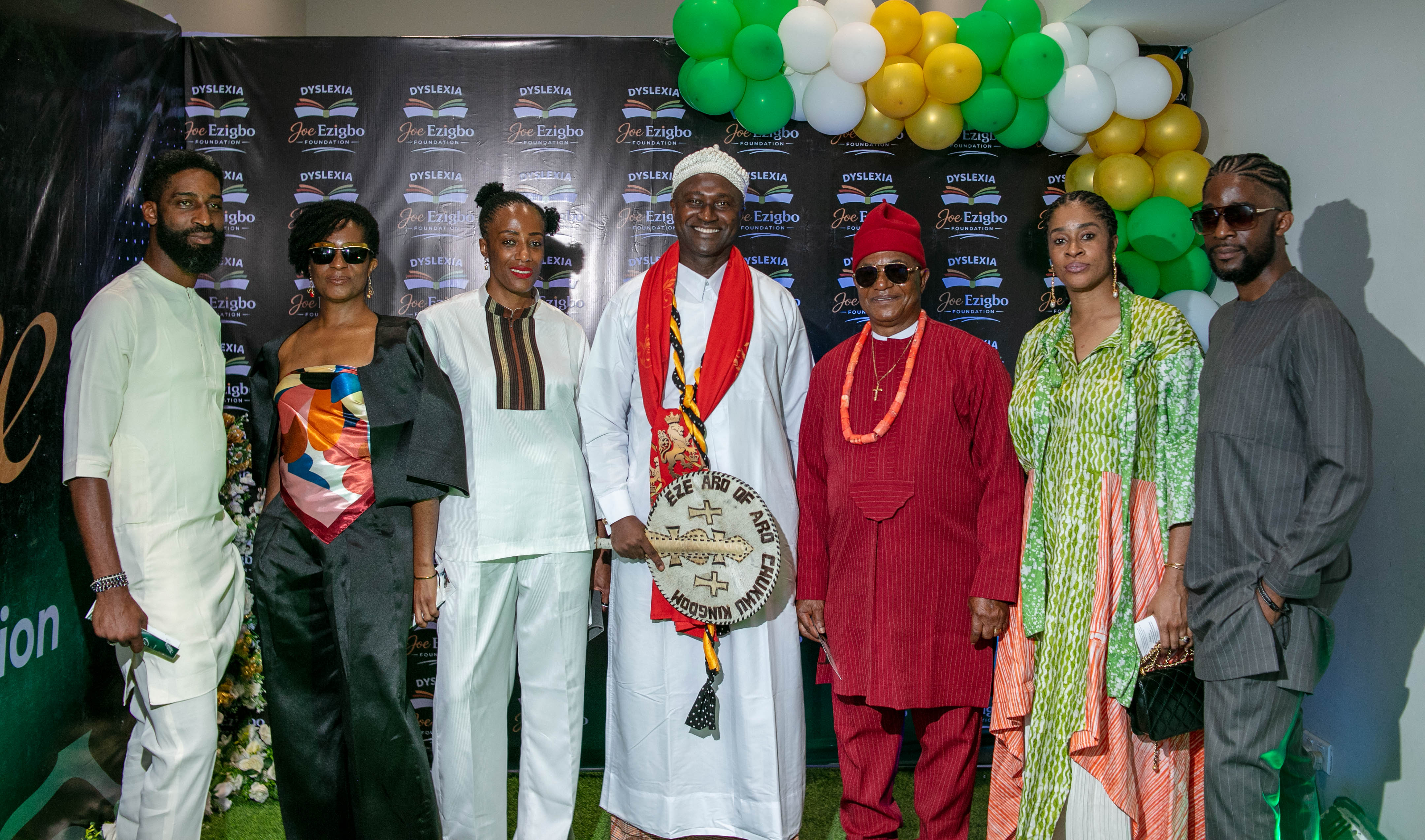
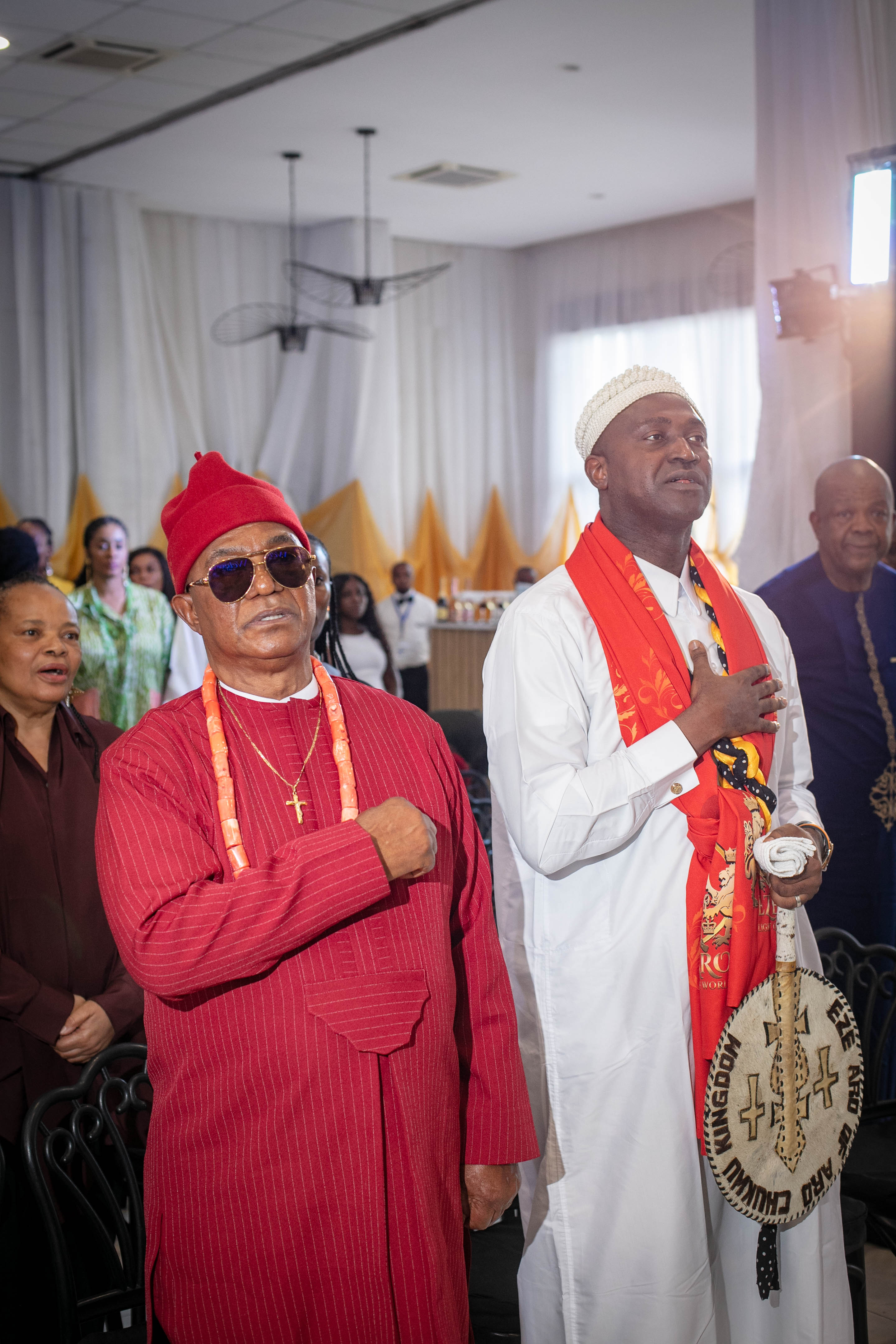
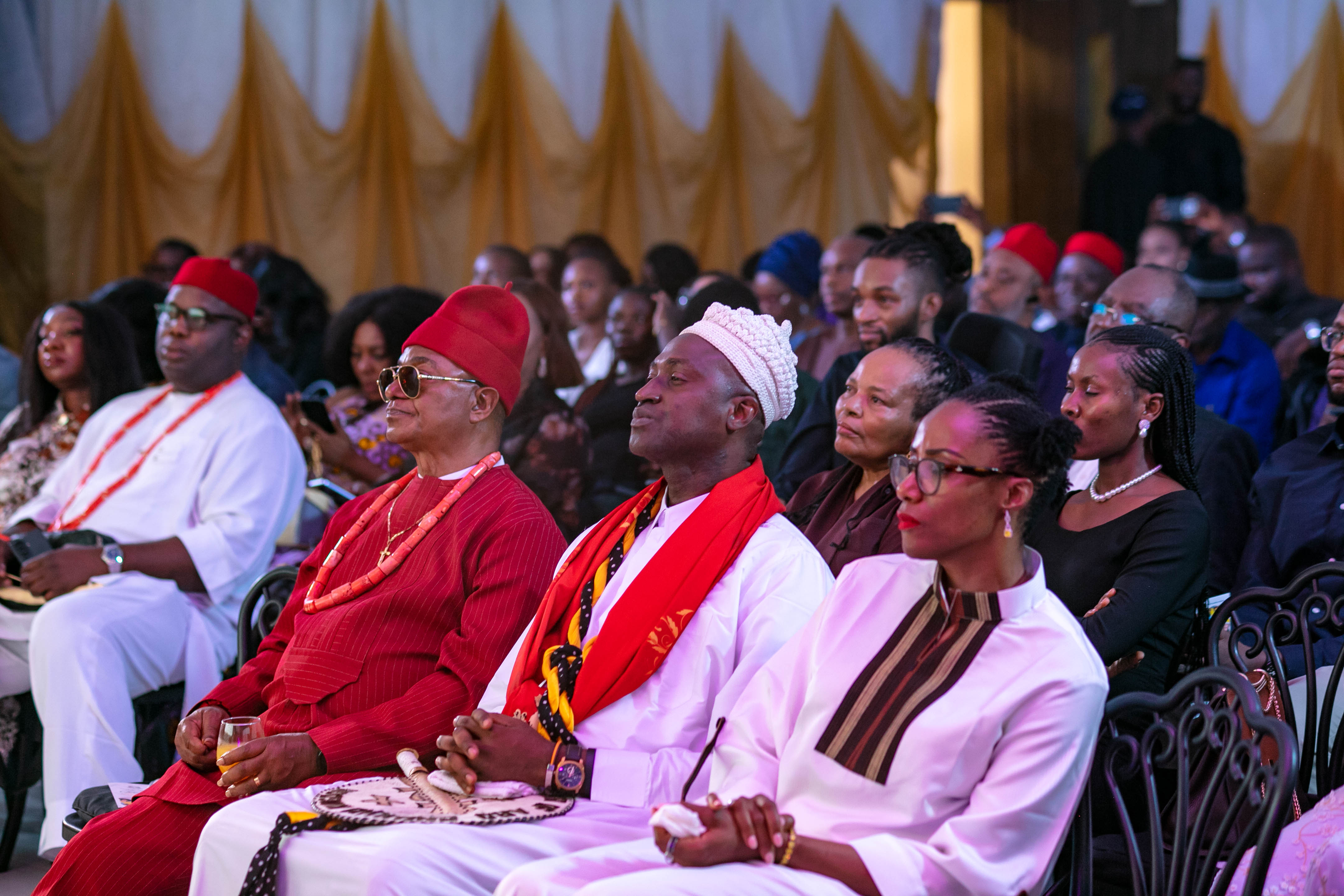
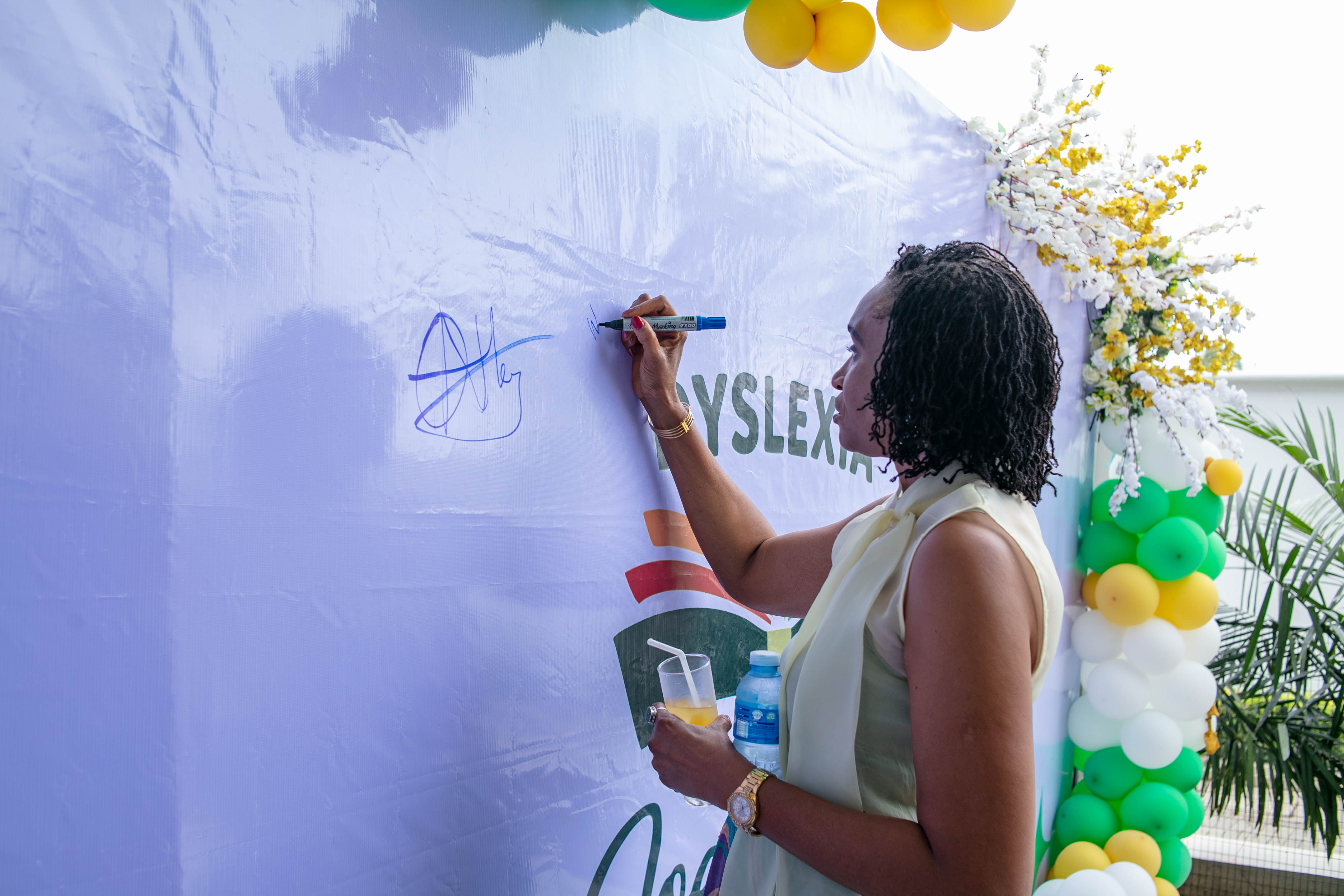
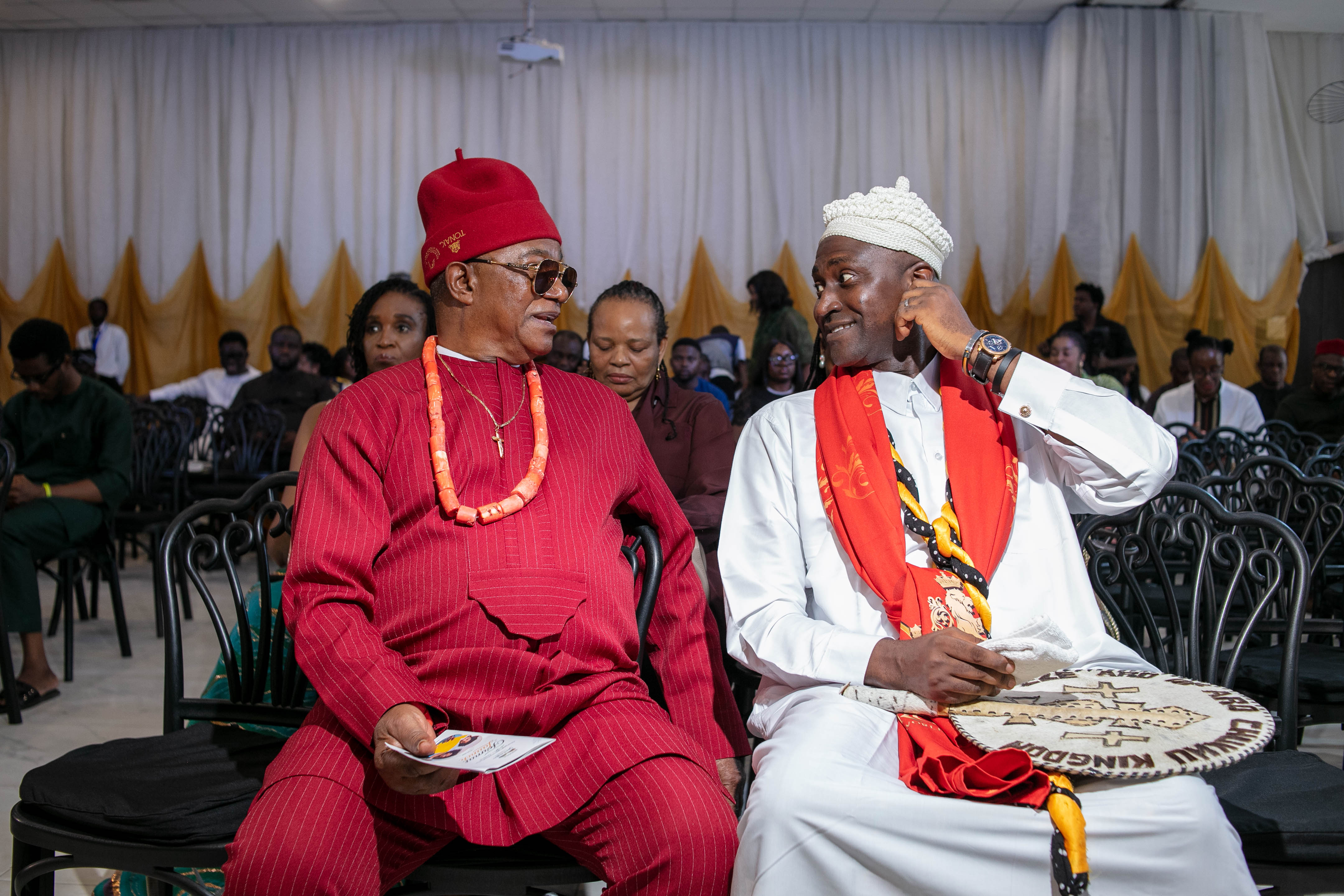
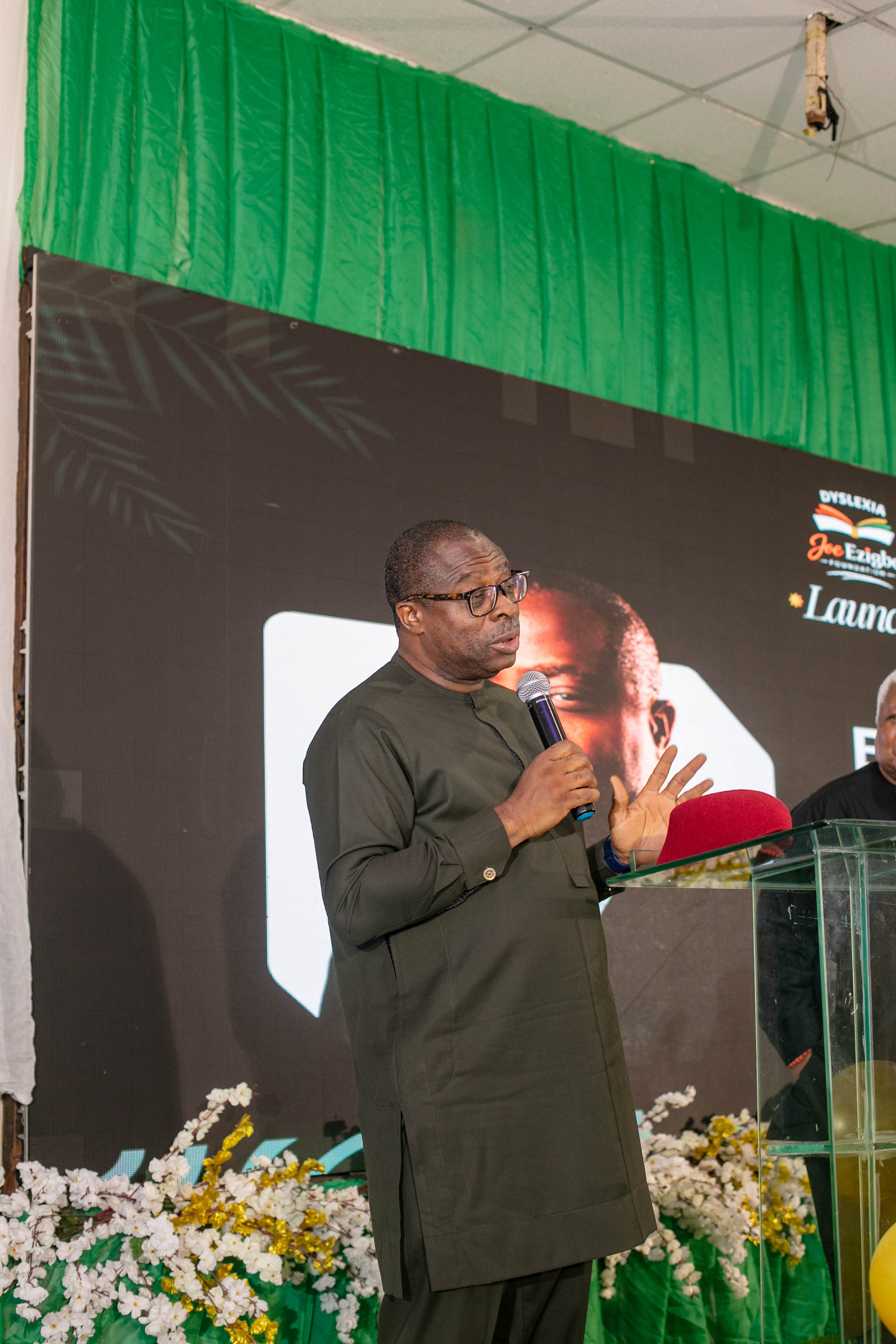
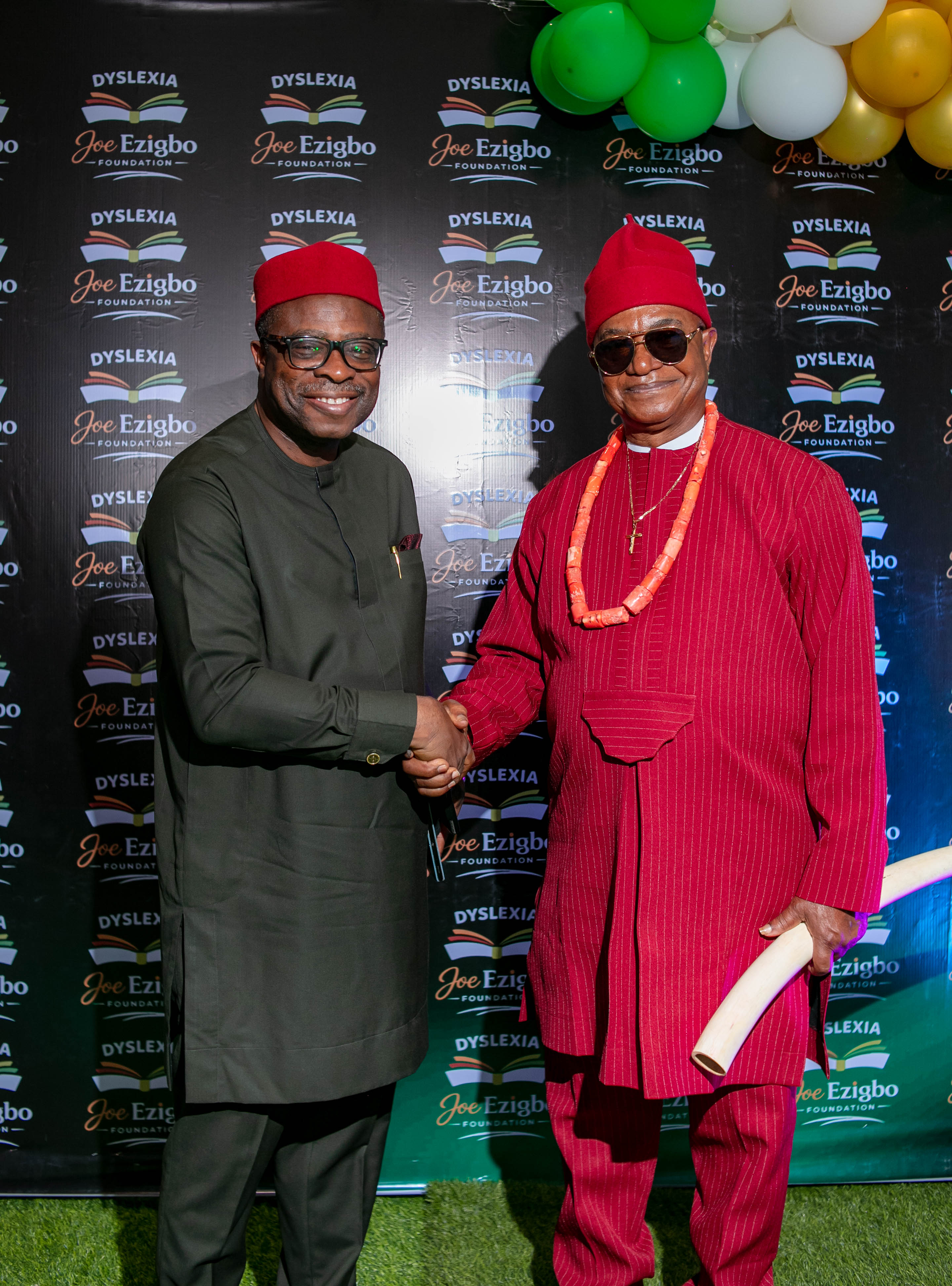
A visual journey through the historic unveiling of the Foundation