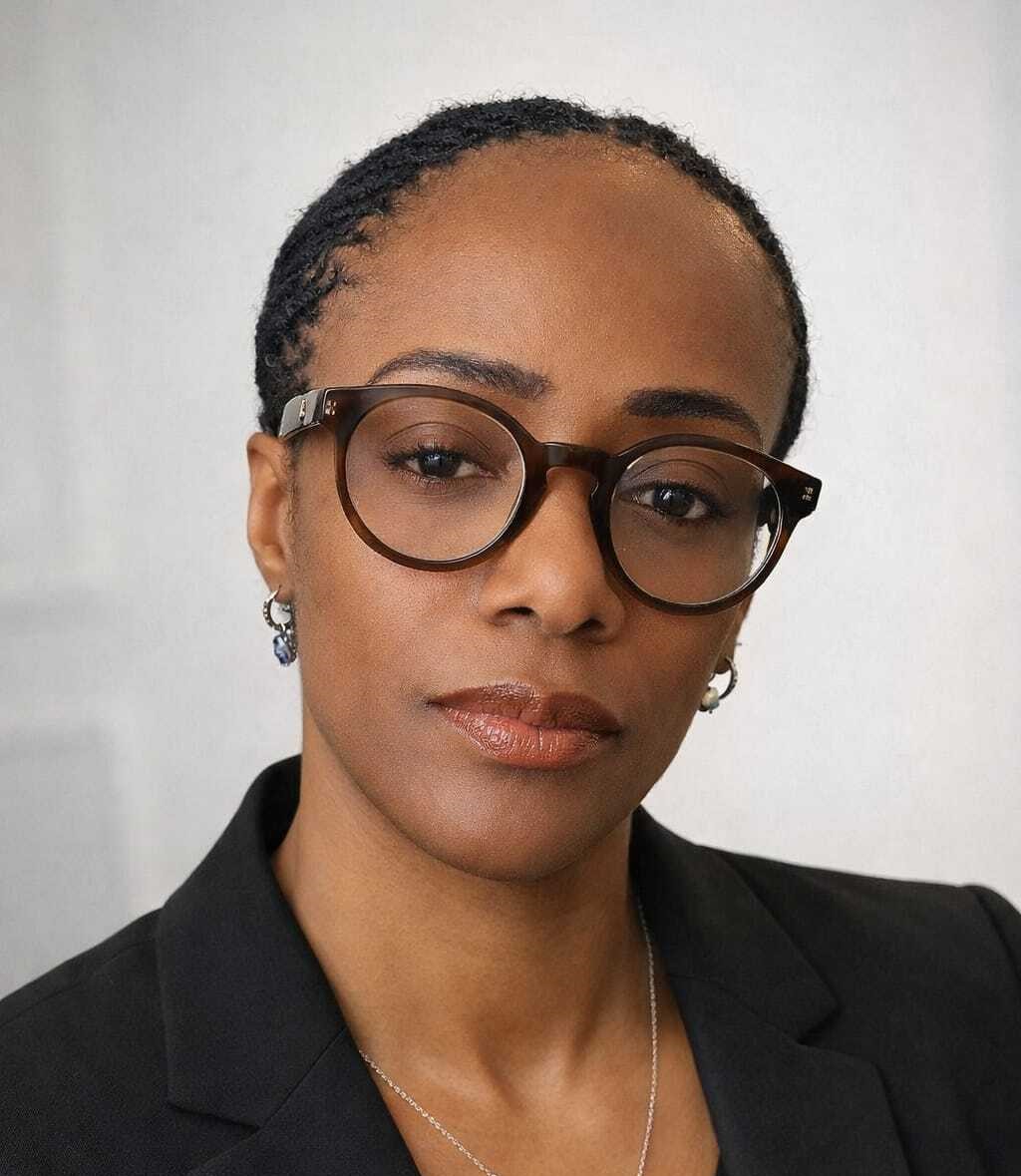
 Chinelo Ezigbo
An employer looks back on a former member of staff and wonders:Did I get it wrong?
That was the question a friend asked herself after attending the launch of the Joe Ezigbo Foundation for Dyslexia in Nigeria.
Years earlier, she had let an employee go because they were struggling at work. There were mistakes, difficulties with written tasks and concerns about performance.
But after learning more about dyslexia and other learning differences, she found herself looking back differently.
For the first time, she wondered whether what she had seen as poor performance may actually have been an undiagnosed learning difficulty.
She wondered whether the signs had been there all along.
She wondered whether things might have turned out differently if there had been greater awareness and understanding.
That conversation stayed with me.
Because it led me to a much bigger question.
**How many adults across Nigeria are struggling in workplaces, universities and businesses because nobody ever recognised what they needed?**
Much of the conversation around dyslexia in Nigeria has focused on children, and rightly so. Early identification can transform a child's education and future opportunities.
But children do not stay children forever.
Children with undiagnosed dyslexia become adults with undiagnosed dyslexia.
The child who struggles in school becomes the university student sitting in a lecture theatre feeling lost and overwhelmed.
The student becomes the employee struggling with reports, emails, written instructions and administrative tasks.
The struggle does not disappear. It simply changes shape.
I know because I lived it.
Sometimes I wonder what my life would have looked like if I had never had the opportunity to be diagnosed.
Would I have become a mental health nurse and social worker in the NHS, helping others navigate some of the most difficult moments of their lives?
Would I have completed a double degree?
Would I have built a career helping others?
Or would I still be carrying the same confusion, frustration and lack of confidence that followed me throughout my education in Nigeria?
The truth is, I do not know.
I enrolled at university to study law. Yet I spent much of my time avoiding classes. Not because I did not want to learn, but because I often could not understand what was being taught.
I accumulated carryovers, lost interest and drifted through much of my university experience.
Eventually, after seeing how much I was struggling, my father came to the university to help me change my course from law to humanities.
We hoped a different course might make things easier. It didn't.
Because the problem was never the course I was studying. The problem was that my dyslexia had never been recognised.
When I reflect on those years, I know I may not have been the only one.
Across Nigeria, there are students sitting in lecture halls feeling exactly as I did.
Many eventually enter the workforce carrying those same struggles.
And that is where the conversation becomes bigger than education. It becomes a workforce issue. It becomes an economic issue. It becomes a national development issue.
Over the years, I have spoken to numerous Nigerians living in the United Kingdom who were diagnosed later in life.
Although our lives were different, our stories were remarkably similar.
Growing up without answers.
Being misunderstood.
Being told to try harder.
Believing we were the problem.
Many of us had to leave Nigeria before we finally understood what was happening.
Looking back, I often wonder how different our lives might have been if someone had recognised the signs much earlier.
When I was diagnosed in the United Kingdom in my early thirties, I finally understood how I learned.
The support I received did not change who I was. It simply gave me a fair opportunity to demonstrate the abilities I had always possessed.
I have seen first-hand what happens when people are understood rather than judged. Support does not lower standards. It removes unnecessary barriers so people can contribute their skills.
Imagine what could happen if similar awareness, diagnosis and workplace support existed in Nigeria.
Imagine an employee receiving support instead of criticism.
Imagine a manager understanding why a member of staff struggles with written reports but excels at problem-solving, leadership, communication or creative thinking.
Supporting adults with dyslexia does not have to be complicated or expensive. Sometimes it begins with awareness.
A manager who understands.
Clearer instructions.
Assistive technology.
Alternative ways of demonstrating competence.
Workplaces that focus on strengths as well as challenges.
Small adjustments can make a significant difference.
Research suggests that many people with dyslexia demonstrate strengths in creativity, innovation, resilience, entrepreneurial thinking and big-picture problem-solving when given the right opportunities.
This matters because Nigeria frequently speaks about innovation, entrepreneurship and building a globally competitive workforce.
Yet innovation depends on diversity of thought. A truly inclusive workforce includes people who think differently.
When adults with dyslexia are unsupported, Nigeria does not simply lose individual potential.
We lose ideas.
We lose innovation.
We lose creativity.
We lose future entrepreneurs.
We lose future leaders.
Nigeria does not currently collect sufficient data to tell us how many adults with dyslexia are struggling in education, employment or business.
But we do know this.
Countries grow when people are able to develop and use their talents.
When adults with dyslexia are overlooked, underemployed or prevented from reaching their potential because their learning difference was never identified or supported, everyone loses.
The individual loses opportunities.
Employers lose valuable skills.
The nation loses part of its human capital.
For a country focused on economic growth and competitiveness, that should concern us all.
Nigeria has made progress in recognising the rights of persons with disabilities, including through the Discrimination Against Persons with Disabilities (Prohibition) Act 2018.
However, awareness of learning differences such as dyslexia remains limited, particularly in workplaces.
Many employers are not intentionally excluding people with dyslexia. They simply lack the awareness and resources needed to recognise learning differences and respond appropriately.
This also reflects a broader gap.
Without clear workplace policies that encourage employees to disclose learning differences safely and access appropriate support, awareness alone is not enough.
Without that understanding, what may be a learning difference can easily be mistaken for poor performance.
I often think about the employee my friend let go. Not because anyone intended to be unfair. But because no one knew what they were looking at.
How many more people are we losing for the same reason?
This is why dyslexia cannot remain solely a childhood conversation.
We must continue advocating for early identification and support. But we must also remember the adults who were missed.
Because children with undiagnosed dyslexia become adults with undiagnosed dyslexia.
Until we recognise that reality, we are not only failing individuals. We are losing talent our country can no longer afford to lose. We are failing our economy. And perhaps most importantly, we are wasting human potential.
Different is not less.
Read the full story and join the conversation about supporting adults with dyslexia in Nigeria's workplaces and educational institutions.
Learn about our programs